ACADEMIC YEAR SEMINARS
SPRING 2026
Since 2016, the Witherspoon Institute has sponsored non-credit seminars for Princeton students during the academic year. Any Princeton student—undergraduate, graduate, PTS—is warmly invited to attend.
We read important texts about important questions—classic and contemporary—in the attempt to find wisdom, to know how best to live and think and act so as to live well and flourish. And we try to seek for wisdom collegially, with friends willing to engage good questions seriously, with any point of view considered. And, we almost always provide a meal!
Sign-up for our weekly emails and our monthly newsletter for regular updates here.
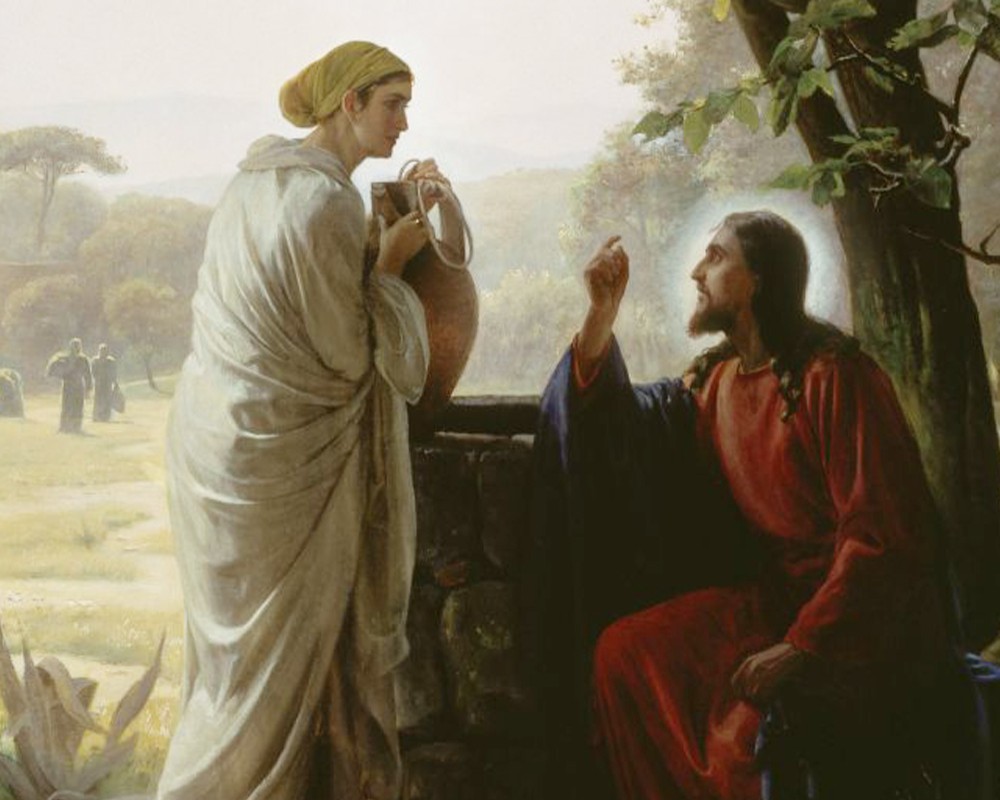
Kierkegaard’s Works of Love
Fridays 1:00-2:30 PM:
Sept 11, 18, 25; Oct 9.
Led by R. J. Snell
Everyone knows what love is—in theory at least—but the paradoxes and tensions of love remain confusing. Are we to love everyone, even our enemies, or can we have preferential love for those who are nearest to us? Are we to love everyone in the same way? Surely not. Feelings usually accompany love, but love isn’t merely a feeling is it, so much as a task?
In this seminar, open to all Princeton students, we’ll read the great—and enigmatic—Danish philosopher, Søren Kierkegaard’s Works of Love to explore.
Lunch provided. All Princeton undergraduates welcome.
For more information on this seminar, email RJ at rsnell@winst.org.
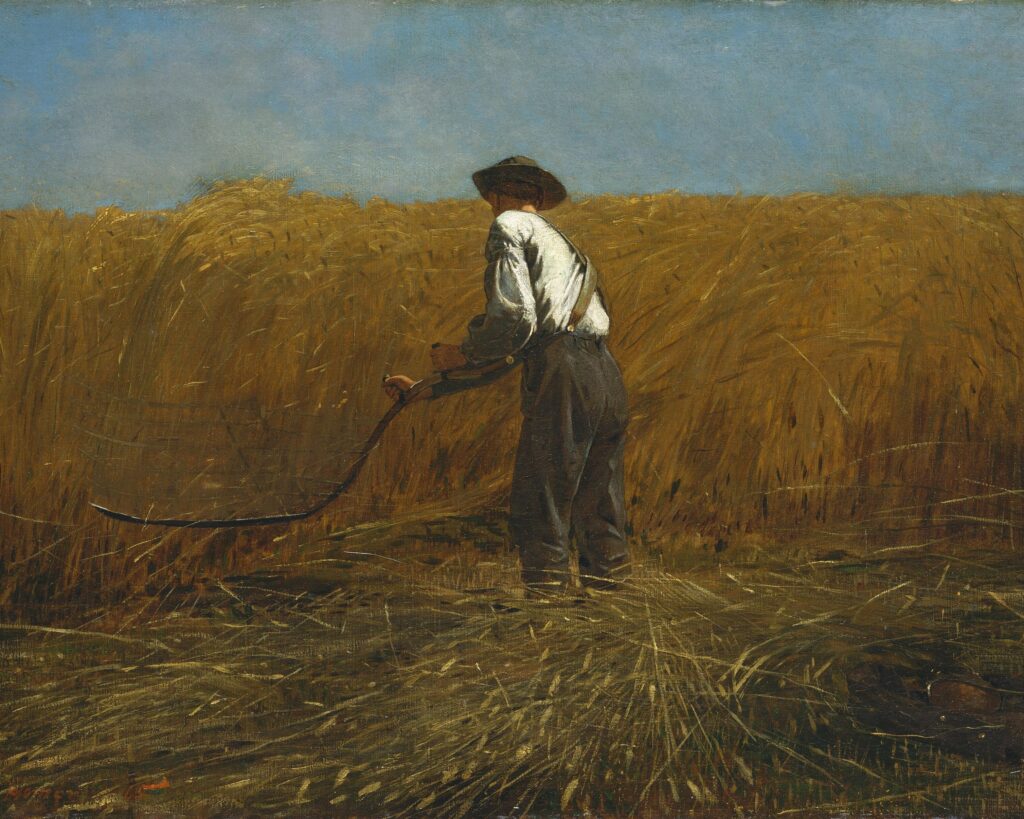
Andrew Wyeth: Works of Love and Death
Fridays 1:00-2:30 PM:
Oct 30; Nov 6.
Led by R. J. Snell
Following up on Kierkegaard, this short seminar will examine the art of Andrew Wyeth, one of the most important American artists of the 20th century. His work exemplifies themes of isolation, melancholy, vulnerability, but also profound love of place and particular friends and acquaintances.
Lunch provided. All Princeton undergraduates welcome.
For more information on this seminar, email RJ at rsnell@winst.org.
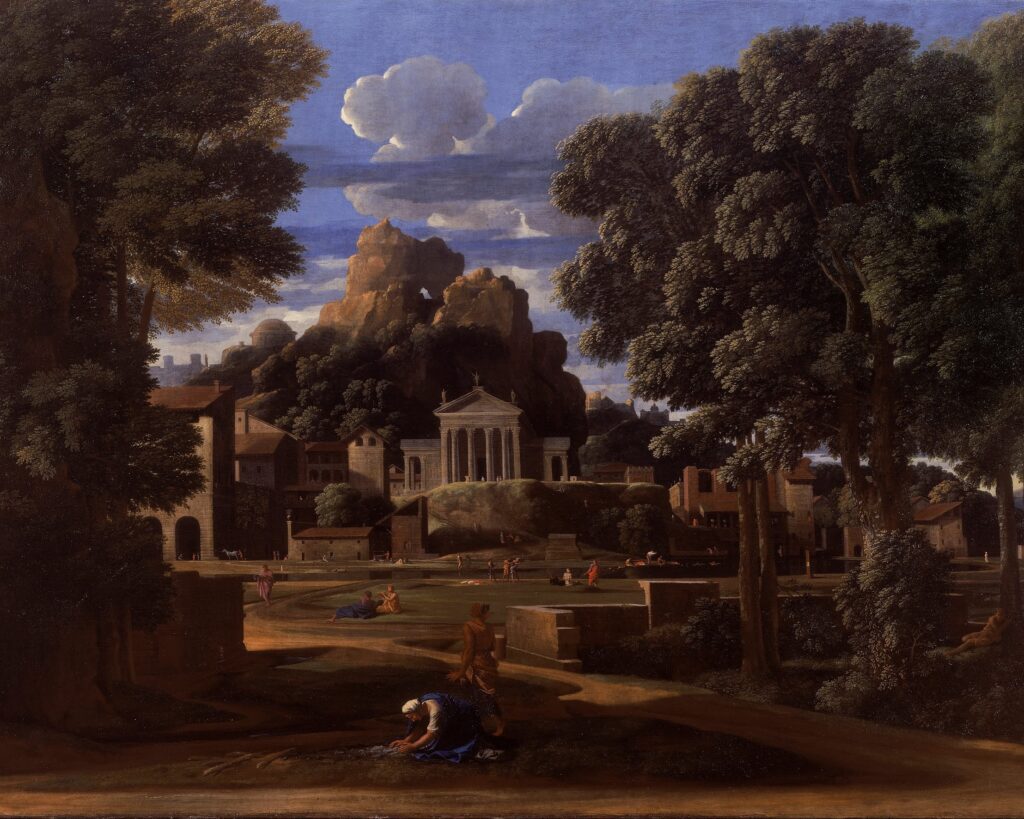
Nobility in a Democratic Age
Fridays 1:00-2:30 PM:
Nov 13, 20; Dec 4.
Led by R. J. Snell
Many theorists claim that modernity quells the desire for nobility, replacing that quest with a middling, ignoble desire for safety, commerce, and a bourgeois view of success. Perhaps that is true, and some contemporary thinkers have turned to pre-modern influences to recover (supposedly) vitality and a sense of nobility, sometimes in controversial and troubling ways.
This seminar explores ancient, modern, and contemporary sources to examine the possibility of nobility in our own time.
Lunch provided. All Princeton undergraduates welcome.
For more information on this seminar, email RJ at rsnell@winst.org.
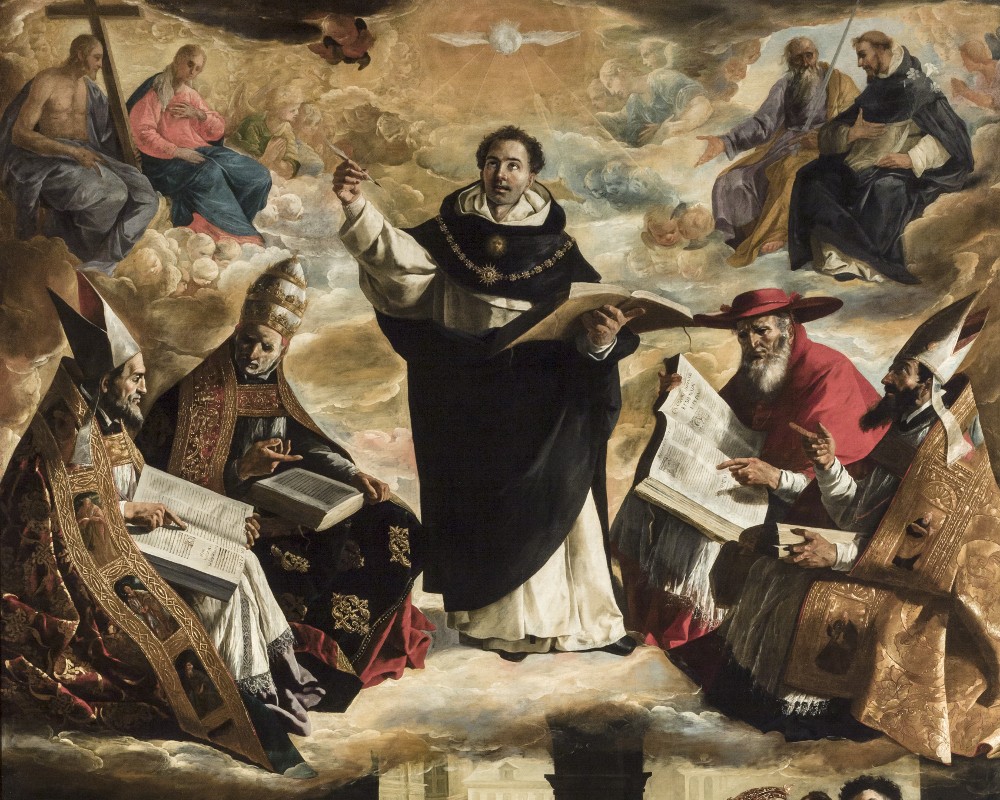
On Being and Essence
Tuesday mornings, 8:15-9:15 am:
Dates TBD
Led by R. J. Snell
A young Thomas Aquinas wrote the short treatise, De ente et essentia, on the various types of being, including his early forays to distinguish “whatness” and “thatness,” with significant implications on understanding the nature of God and God’s relation to creation.
Light breakfast provided. All Princeton undergraduates welcome.
For more information on this seminar, email RJ at rsnell@winst.org.
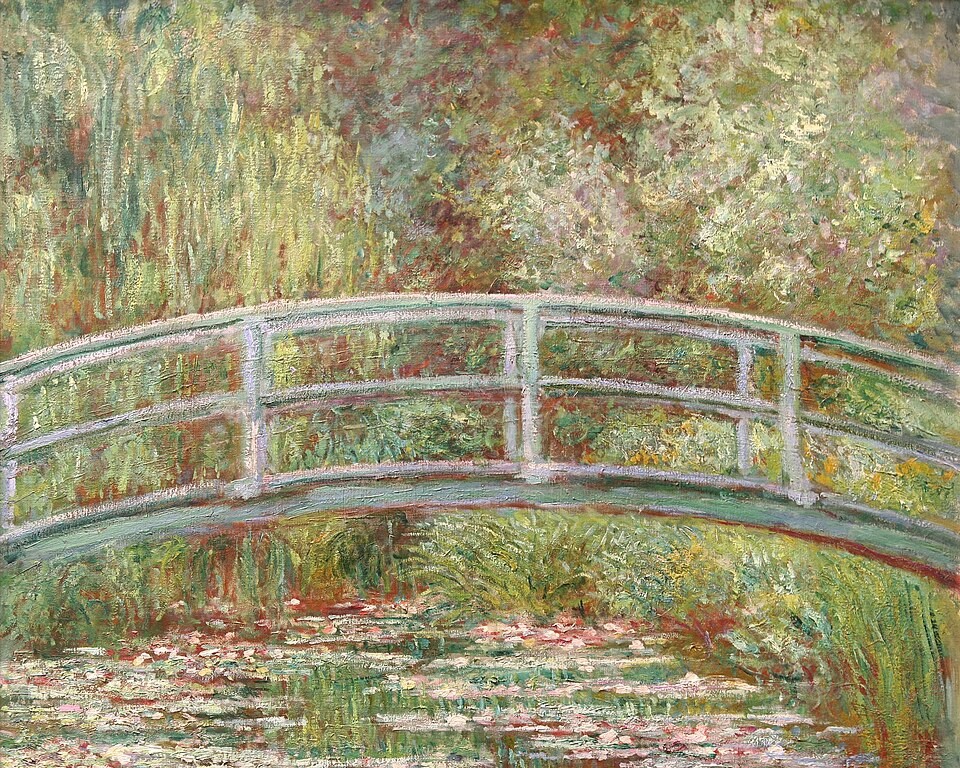
Nature and the Lost Art of Attention
Dates and times to be arranged weekly with interested participants
Led by Michael Carlowicz
Have you ever stopped to smell the roses? Have you ever been transfixed by a bluebird’s song? Have you ever tried to count the stars in the sky? Come and learn how. In this seminar, students will be invited into nature—literally, onto nature preserves, distant hikes, and along winding rivers—to consider with greater attention the natural world, rich with beauty, that surrounds them. Topics to be discussed along the way include ivy, death, celestial bodies, birdsong, and walking, among others, with readings from authors such as Princetonians Lewis Thomas, John McPhee, and (not a Princetonian) Henry David Thoreau.
Open to Princeton university (undergrad + grad) and seminary students. Meals may be provided depending on schedule.
For more information on this seminar, email Michael at mcarlowicz@winst.org.
Frequently Asked Questions
If you study at Princeton University or Princeton Theological Seminary, you’re invited to join us. It’s a good place to meet new people, share a meal, and converse together. Your political commitments, religious beliefs (or absence of belief), college, and eating club don’t matter to us—in fact, we like when participants approach a text or question in different ways and with varying concerns. The search for truth is hardly a solitary activity.
We meet around a dining room table, share a meal and some conversation for about 30 minutes or so, and then read and think together for an hour. It’s informal—some people come in late, others leave early. It’s a seminar, so be prepared to ask questions, make arguments or interventions, and be prepared to have others ask questions of you. We’re seeking wisdom together, and that means we have to inquire with and of each other—and to listen to and learn from each other. We value collegiality and friendship, and seminars are generally pretty relaxed.
Seminars meet at Whelan Hall, that yellow house at 16 Stockton Street in Princeton. It’s a two-minute walk from Rocky College.
Check out this page for current offerings at the Witherspoon Institute.
We meet around a dining room table, share a meal and some conversation for about 30 minutes or so, and then read and think together for an hour. It’s informal—some people come in late, others leave early. It’s a seminar, so be prepared to ask questions, make arguments or interventions, and be prepared to have others ask questions of you. We’re seeking wisdom together, and that means we have to inquire with and of each other—and to listen to and learn from each other. We value collegiality and friendship, and seminars are generally pretty relaxed.
No. We don’t charge anything. We value hospitality, so if you have special dietary needs, or keep kosher, or need other accommodation, we’ll do our best to provide what you need and to make you feel at home.
We also host occasional dinners with faculty members, cultural trips to NYC or Philly for the museum or a concert, and we cover all the costs for those events as well (train, tickets, food), although we have to limit the number of participants for those events to keep costs manageable.
We love liberal education, books, inquiry, collegiality, and intellectual friendship. We’re committed to the idea that human flourishing is possible, and that the pursuit of truth with fellow-travelers is an aspect of that flourishing.
Of course. To learn more, please read the seminar descriptions here, or feel free to email R. J. Snell at rsnell@winst.org.