In March 2026, Witherspoon alumni were invited to reflect on a question at the heart of our work: what, during their time with us, proved most meaningful and lasting? This second Alumni Spotlight features two of those stories.
Jenna Ahmed
John Witherspoon Fellows 2024-2025
I was born and raised in the Bay Area, which is famous for being as forward-looking and pro-technology as possible. However, I have been part of several philosophy clubs that have shown me that one can reasonably be more classic and humanities-focused. I joined Zephyr Philosophy Club, a monthly philosophical group for high schoolers, in sophomore year. For Zephyr meetings, I read many philosophical works, including excerpts of Aristotle, Mill, Singer, Russell, and Locke. I looked forward to every meeting. In junior year, I was invited to join a similar group, the Witherspoon Fellowship. I was surprised to discover that the Witherspoon Institute was full of Catholics. In Witherspoon, students need to state the authority that directs their ethical beliefs, which for them was God. I disagreed about the legitimacy of this authority. At first, I worried about insulting them, but our teacher’s intentionally provocative and well-argued materialism didn’t offend them, so I became comfortable speaking forthrightly and arguing in a reasoned fashion. Additionally, I sometimes found myself unknowingly using rationalizations instead of rationality, so I couldn’t claim intellectual superiority. I’m still not Christian, but I now appreciate their intellectual tradition which is actually more internally coherent than many secular philosophies. In the summer of my senior year, I went to the Witherspoon summer camp. Those precious days were packed with open debate. Before the camp, we all read Plato’s Republic. We spent hours deconstructing belief systems through argument. Whether through fate or free choice, we also spent our free time philosophically debating. I was frequently the “token atheist,” and even expressed excessively materialist and atheist views in order to stop the rest of them from ensconcing themselves in theology. We stayed up late debating Socratic curiosity, the existence of transcendence, if there is a US aristocracy, and anything else we could think of. One boy explained his strange metaphysical theories over dinner, and other people listened eagerly. In general, they seemed much more confident and happier than my friends back home. One night, we had a swing dance. As usual, few of us knew how to swing dance, so there were teachers there to teach us. We all happily danced to a few songs. Then, everyone who already knew the Virginia Reel decided the rest of us had to learn, so we all voluntarily lined up in two lines and learned it. The tempo was a bit too fast for comfort, so we had to sashay and reel down the line as fast as we could. We then learned Footloose, because apparently a movie about youthful rebellion has been turned into a formalized dance. Both dances were more fun than the dances back home. In California, people would usually cringe at the idea of line dancing, but at the summer camp everyone eagerly tried it and had a great time. The Witherspoon Fellowship showed me that I didn’t have to be rigidly materialist and effectively accelerationist to be reasonable, happy, and connected.
I have wonderful memories of my summer seminar at the Witherspoon Institute. It was 2012, and it was the Moral Foundations of Law Seminar (now run by the James Madison Program). It was truly a unique experience. Attending a small, top-level seminar on natural law, led by none other than the legendary John Finnis, was a dream come true for me. All this took place in the magnificent setting of the Princeton campus, surrounded by a group of people with whom I hit it off from the very first minute. The intense academic activity of the mornings continued with discussions in the Frist Campus Center during lunch. We became great friends, and after class, the most enthusiastic of us played sports together, then met up again in the evening at the Nassau Inn for drinks. Today, I am a full professor of constitutional law at the University of Navarra in Spain, and I can say that that course left an indelible mark. That is why I continue to recommend some of my best students to do it, and those who take the course always come back delighted with a unique experience.
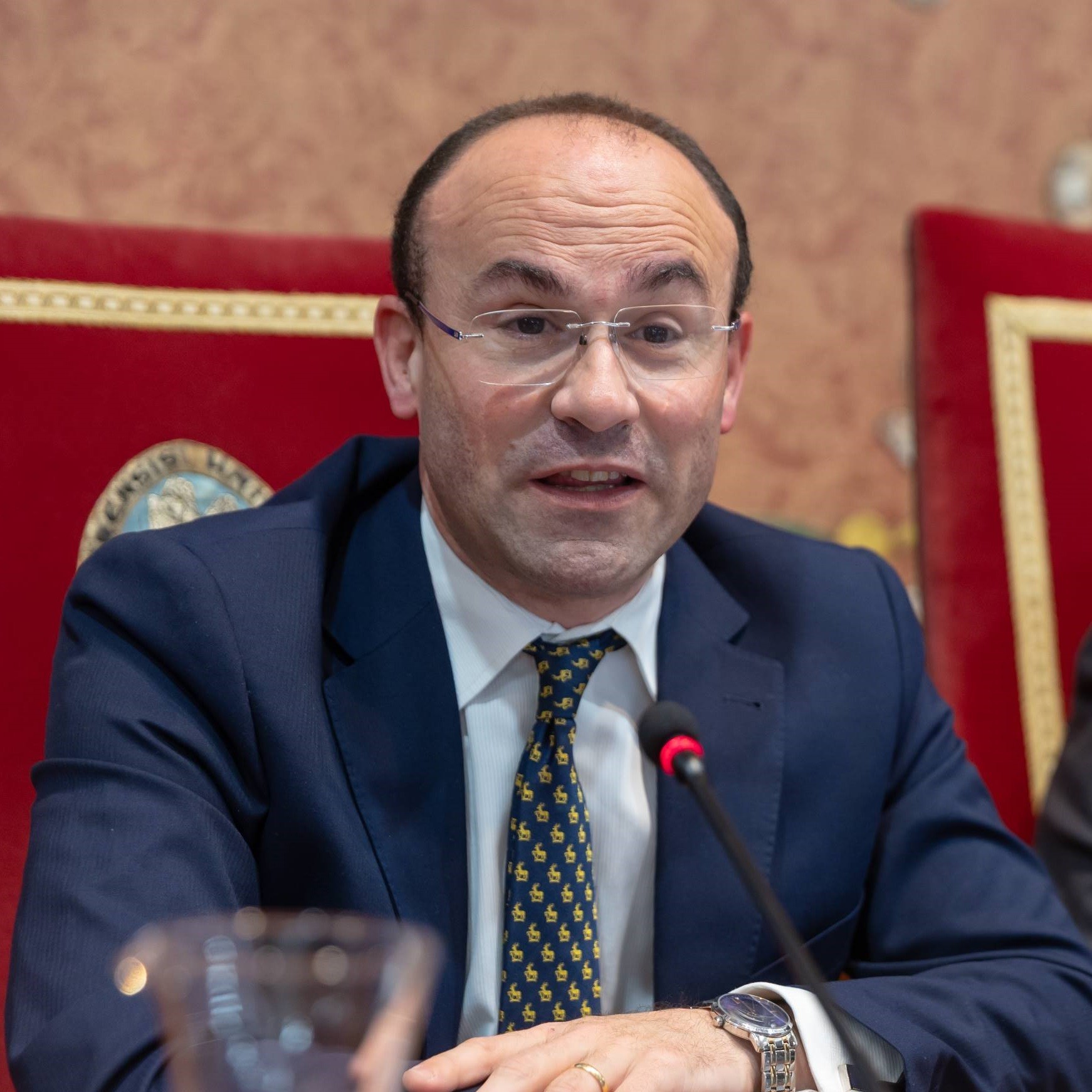
Fernando Simon Yarza
Moral Foundations of Law 2012